A reading-tool prototype for K–8 informational texts. The SQRRR method — Survey, Question, Read, Recite, Review — digitized into a step-by-step student flow.
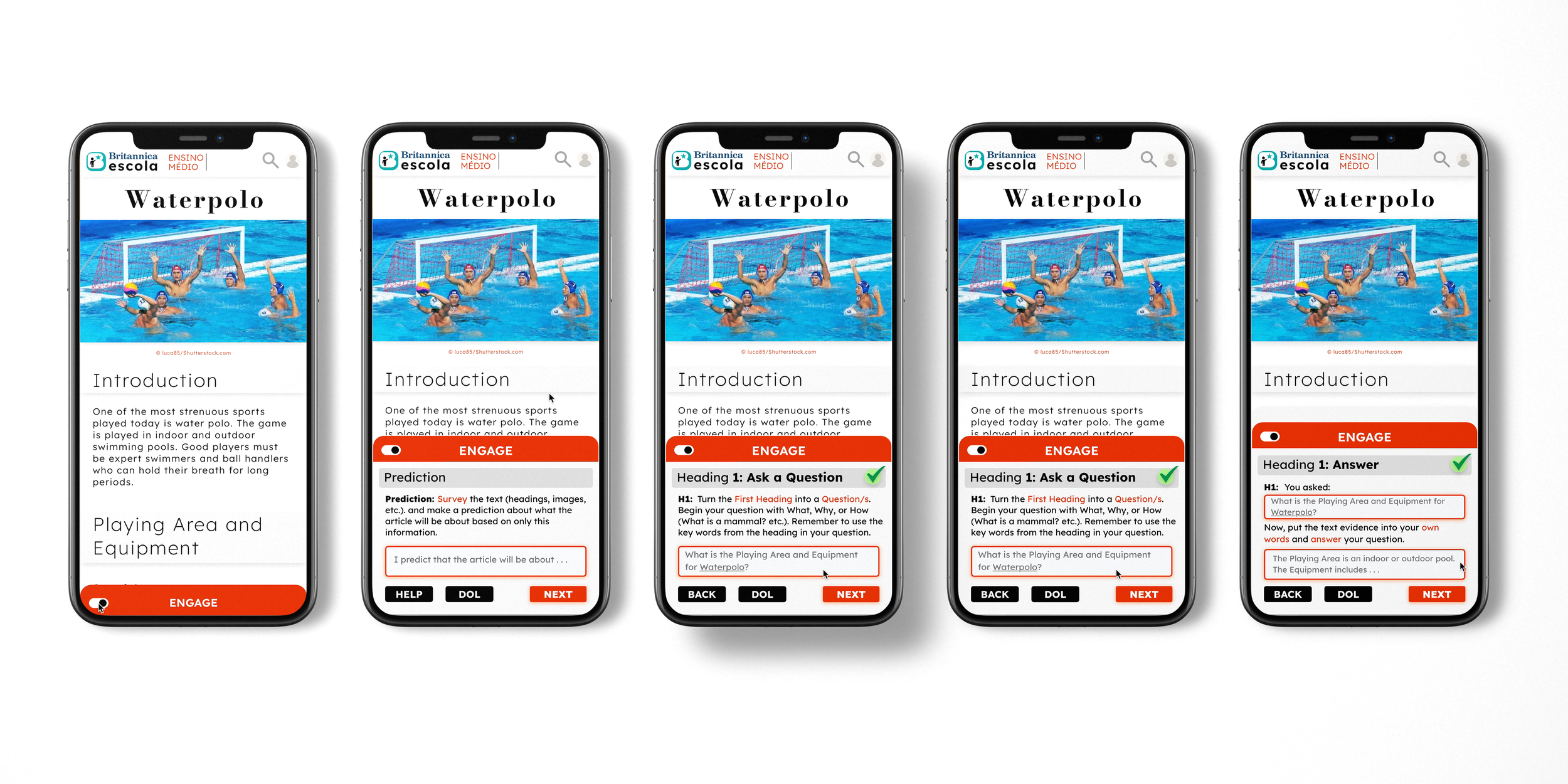
Students breeze past dense informational reading. They scroll the article, mark it complete, move on. Comprehension suffers; teachers triage the fallout.
The ask: a tool that forces attention to structure — the headings, the main ideas, the evidence — without it feeling like another worksheet.
Designed end-to-end as a prototype concept. Surveyed reading-instruction research, mapped the existing reading tools, drafted the flow.
The pedagogical lens carried it: as a former teacher, I knew SQRRR works. It lives in textbooks and classroom posters — but never quite lived in software. Could it?
Five steps, repeated for every section of an article. The student leaves with their own annotated study guide — built by reading.
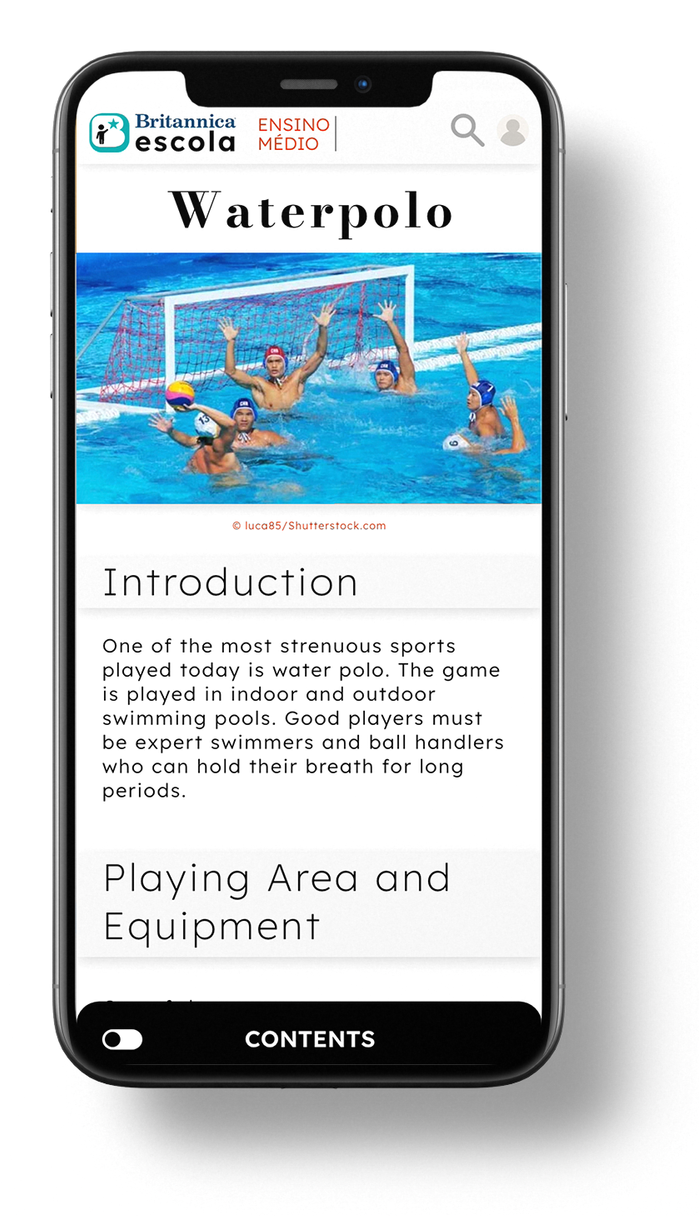
"Beyond user-friendly, beyond innovative — intentionally crafted to support teachers and enhance student learning."
Here's the prototype walking a 5th-grade Water polo lesson through the SQRRR loop. Each step is its own screen — the student can't skip ahead.
Read the headings. Predict what each section is about.
Turn each heading into a question — in the student's own words.
Read the section with the question held in mind. The structure of the text starts to do work.
Answer the question — in their own words, with text evidence the student must locate.
All sections, all questions, all answers — one scrollable summary the student keeps.
Five steps, repeated for every section of an article. The student leaves with their own annotated study guide — built by reading.

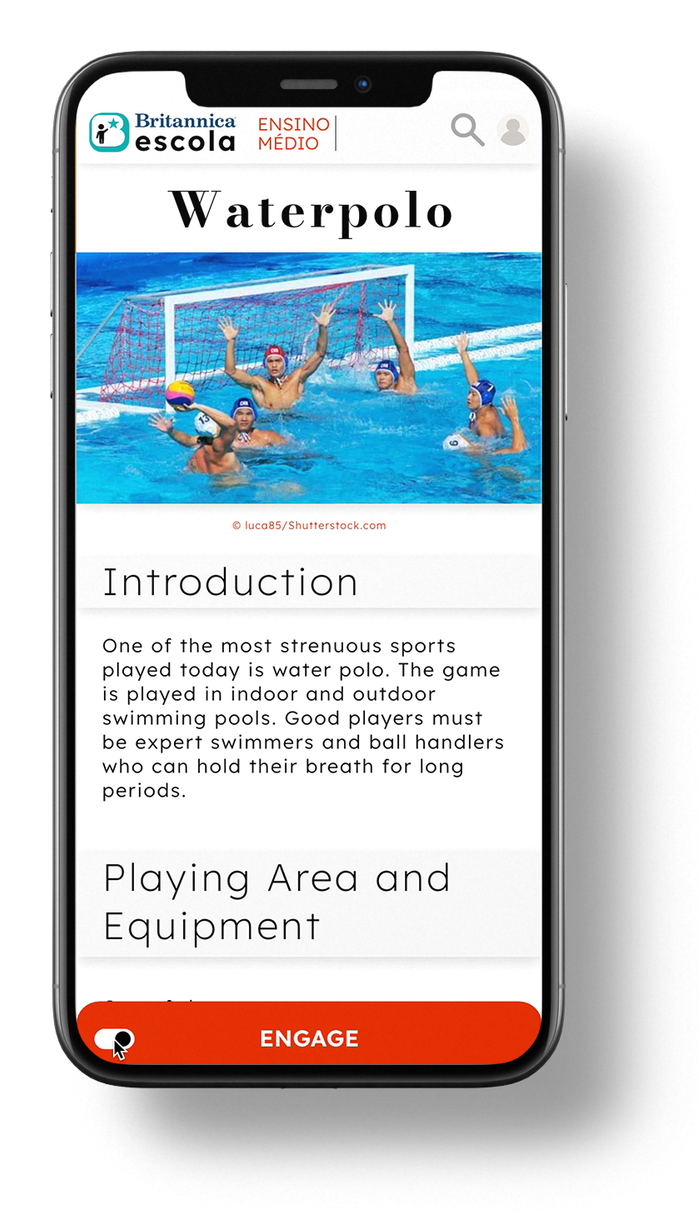
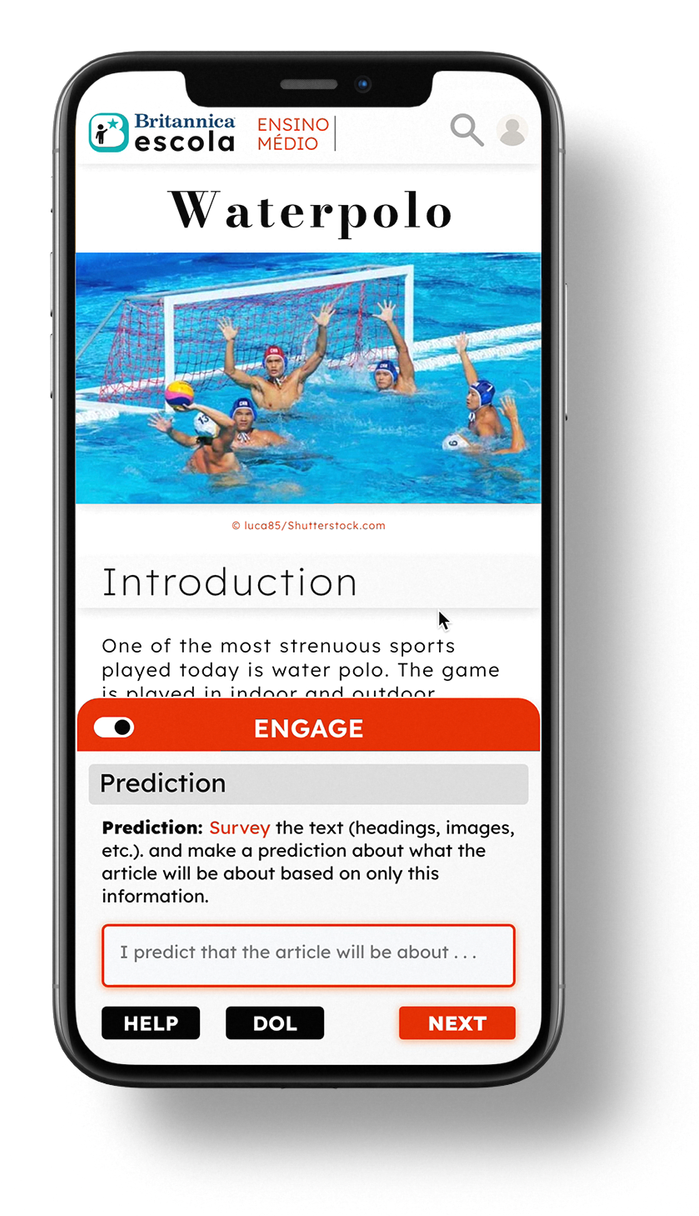
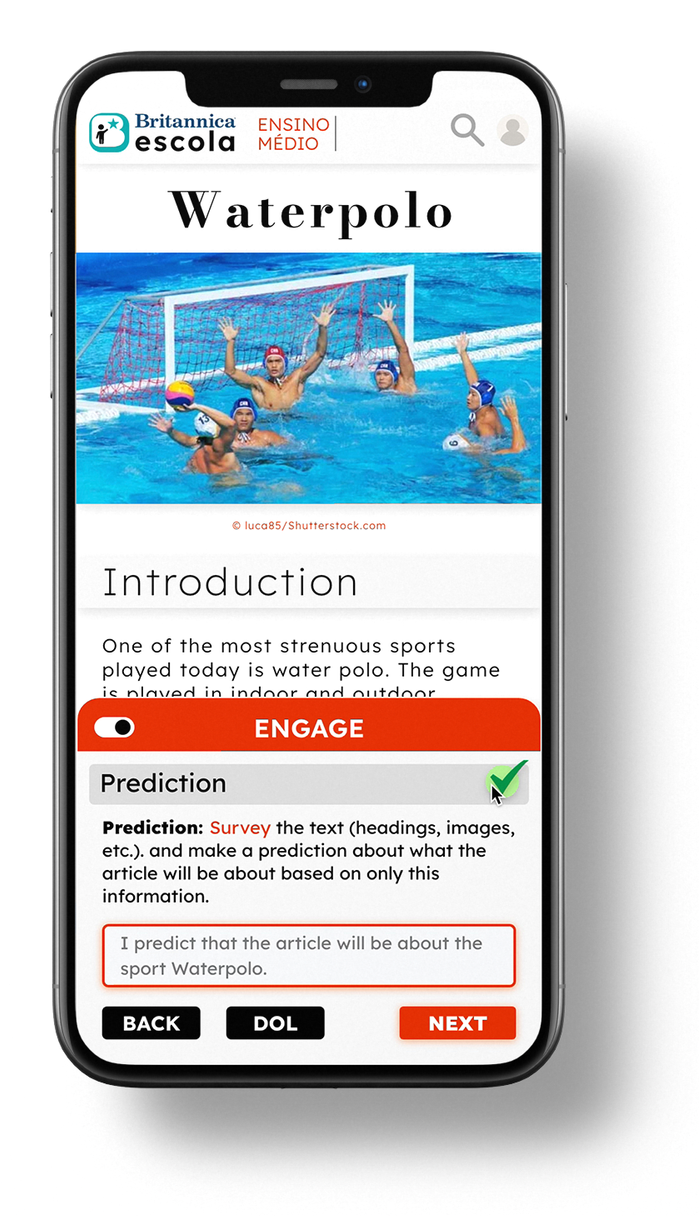
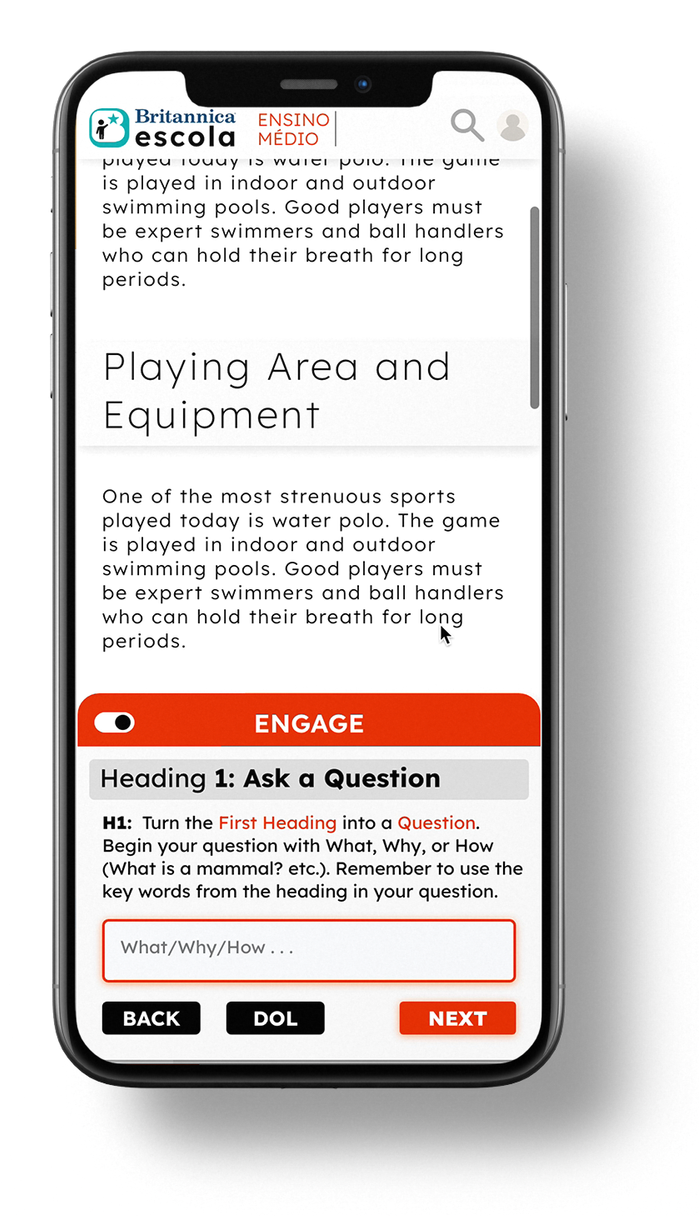
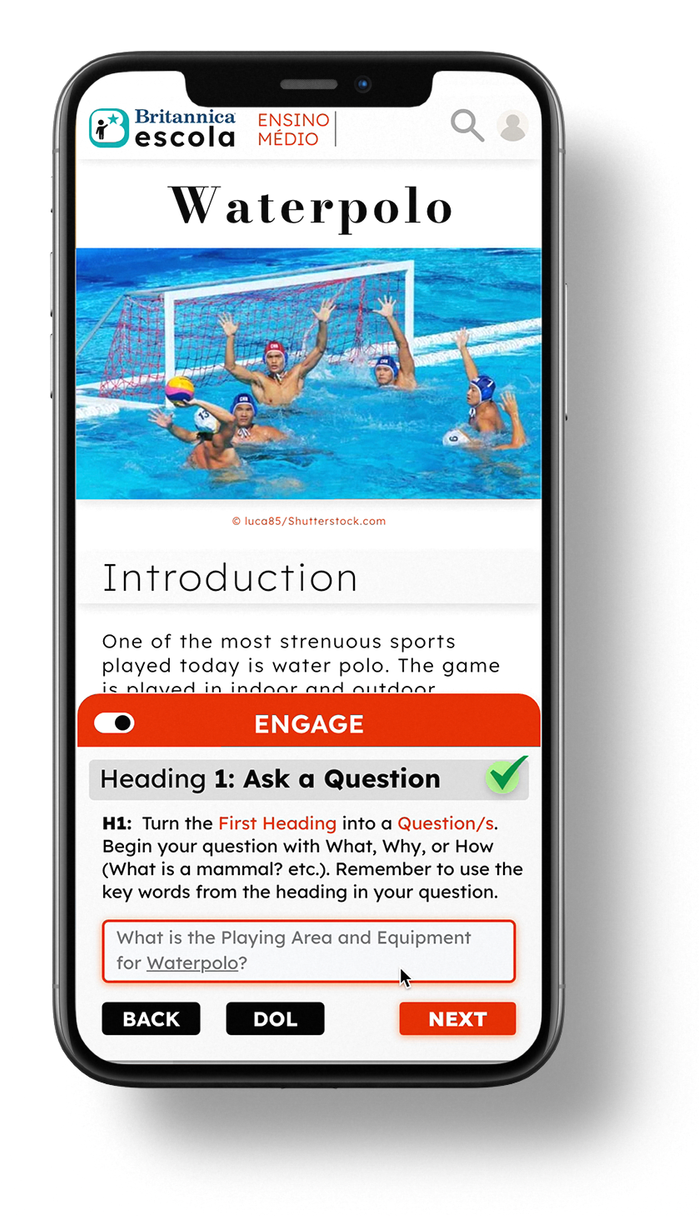
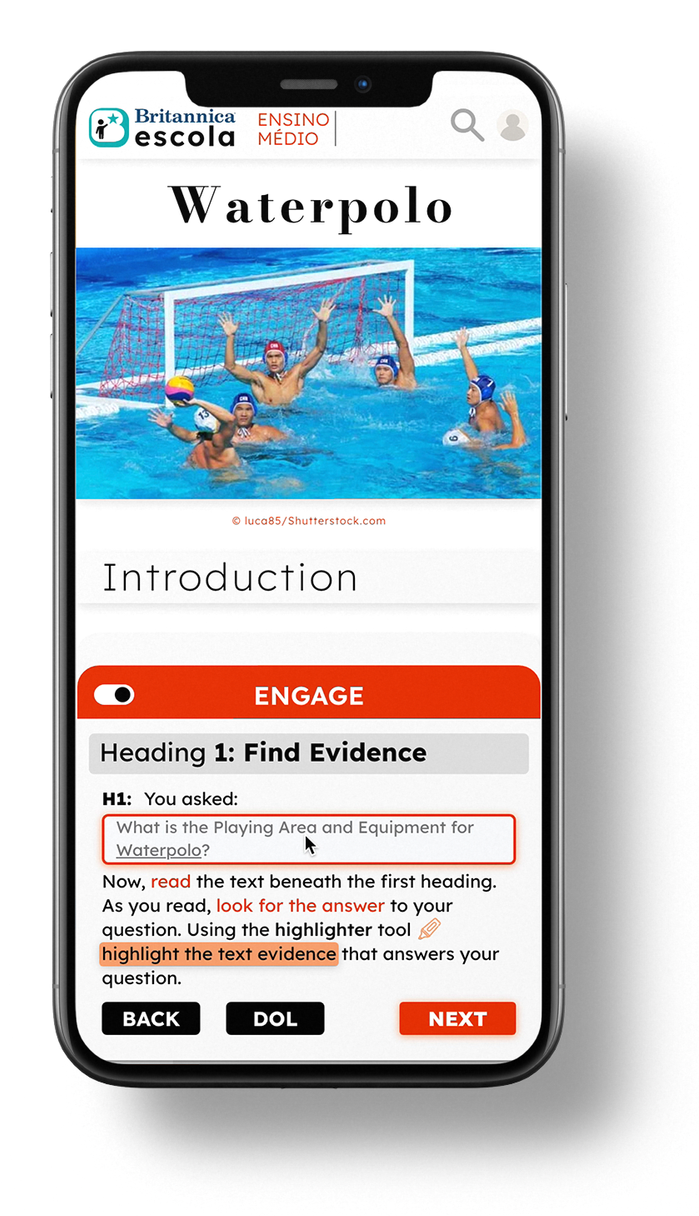
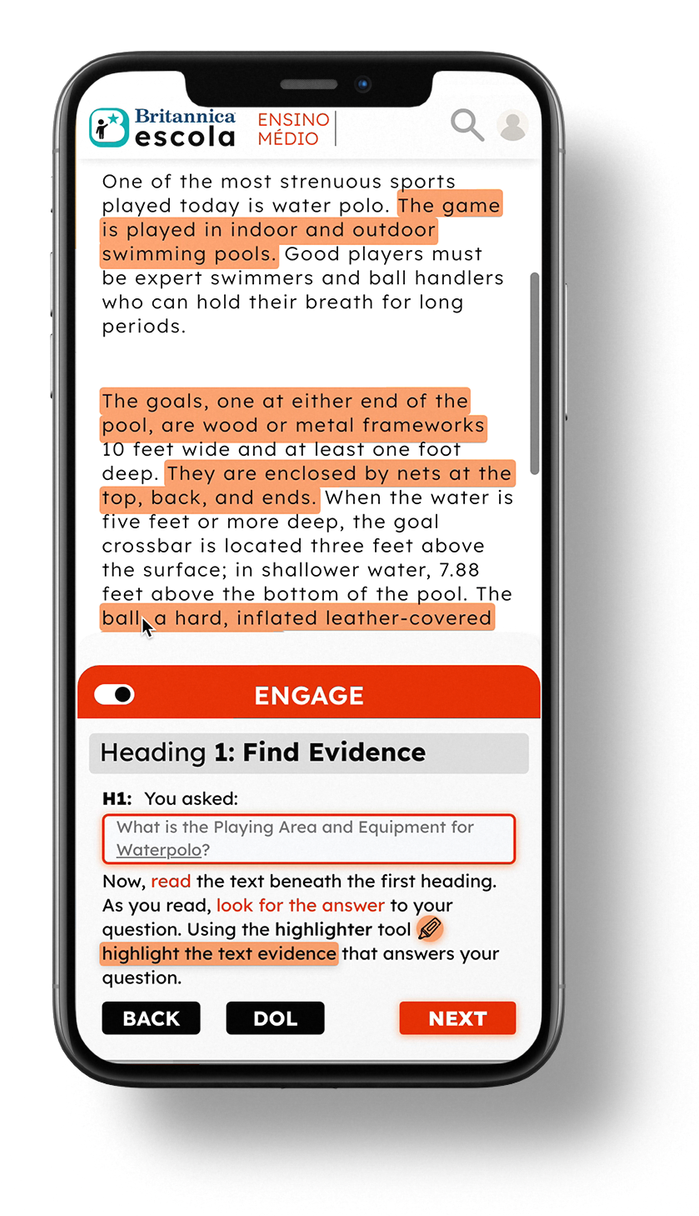
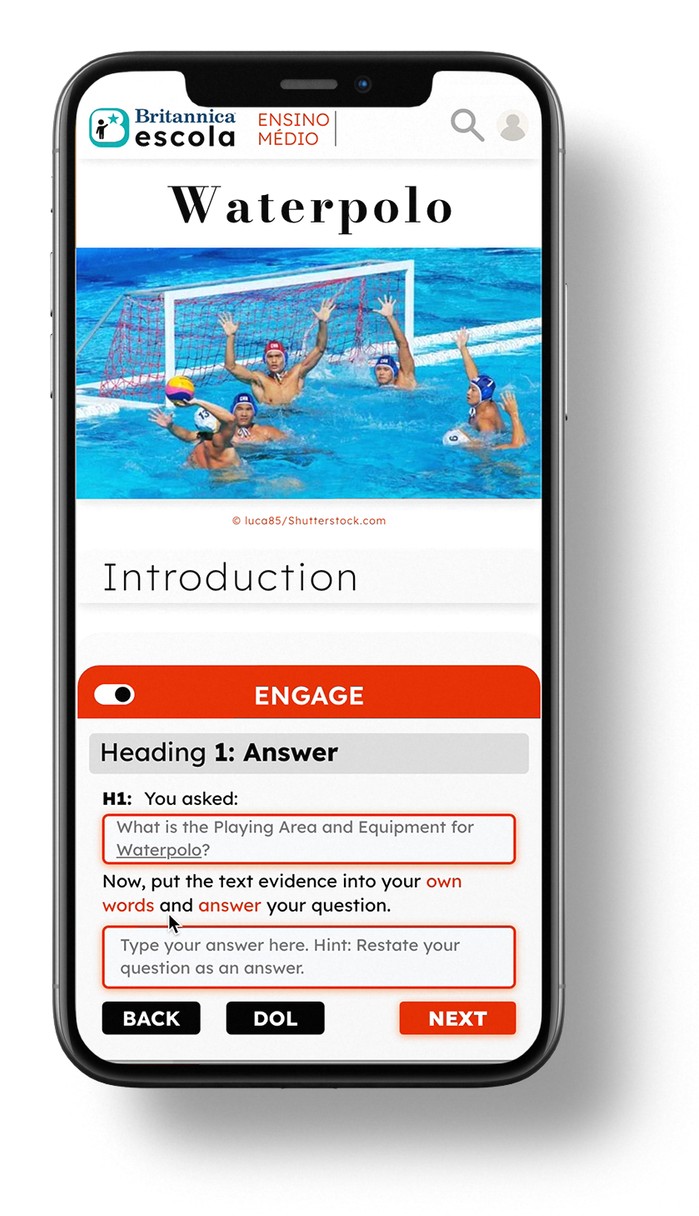
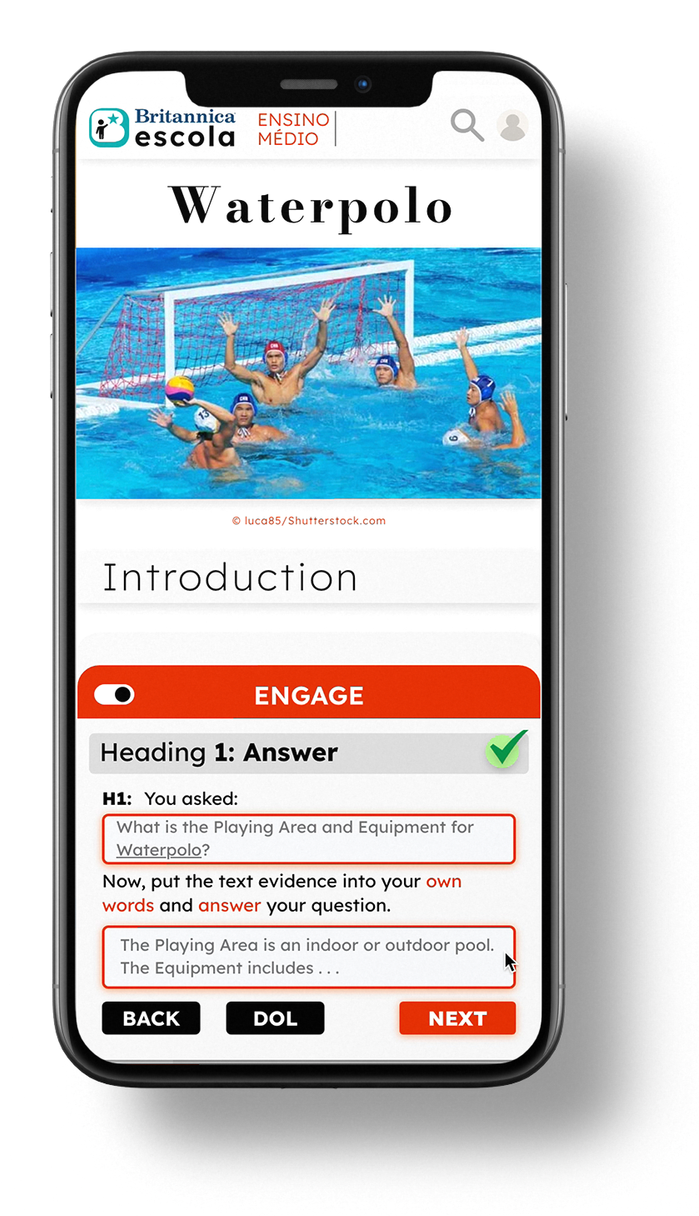
Ten screens, walking a single section of a Water polo lesson through the entire SQRRR loop. Repeated end-to-end, students leave with their own annotated study guide.
The Engage prototype was beautifully crafted. Pedagogically sound. User-tested in spirit. It was never used.
Sometimes the right design lands at the wrong moment in a roadmap. I'm including it here anyway because the work is the work — and because the gap between "prototype that should ship" and "prototype that does ship" is its own design problem worth talking about.
What I'd do differently: ship a smaller version sooner. The full five-step SQRRR loop was the right destination, but a one-step version (just Question, shipped) would have proven the value to the team and made the bigger feature easier to fund.